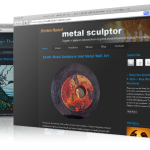
For many artists, the primary purpose of their website is to attract the attention of art galleries and dealers. A well designed website showcasing quality art will get the attention of arts professionals when they see it. But how do they find you in the first place?
This article in 5 Parts gives the scoop on some great basic techniques that work. This is Part 4.
Continue reading...
For many artists, the primary purpose of their website is to attract the attention of art galleries and dealers. A well designed website showcasing quality art will get the attention of arts professionals when they see it. But how do they find you in the first place?
This article in 5 Parts gives the scoop on some great basic techniques that work. This is Part 3.
Continue reading...
For many artists, the primary purpose of their website is to attract the attention of art galleries and dealers. A well designed website showcasing quality art will get the attention of arts professionals when they see it. But how do they find you in the first place?
This article in 5 Parts gives the scoop on some great basic techniques that work.
Continue reading...
This weeks art quote comes from collector Edgar Paulik.
Continue reading...
For many artists, the primary purpose of their website is to attract the attention of art galleries and dealers. A well designed website showcasing quality art will get the attention of arts professionals when they see it. But how do they find you in the first place?
This article in 5 Parts gives the scoop on some great basic techniques that work.
Continue reading...
What particularly caught my attention was an article by North Carolina artist Susan Lyon called “Most Likely to Succeed” in which she shares shares her opinions on important topics including: Should I go to art school?… Challenging yourself to push the boundaries and go beyond your comfort zone might mean that some paintings don’t come out well, but it also means you’re growing as a painter” Susan also made some comments about artist’s websites which we also strongly believe in: It’s a mistake to think of your website only in terms of selling paintings…. Also in the October Artist’s Magazine is a great article by artist and art career coach Kathy Gulrich, titled “Decisions, Decisions”.
Continue reading...
The more traditional version of this tip from the established art world was: “Have one theme in your art, and continue to make images or creations consistent with this theme throughout your career”!!… Even more important, if a piece created by an artist has just sold to another collector, they like to have several more pieces on hand of similar style so that they can sell to the next client…. Another artist might have, “Landscapes”, “Portraits”, and “Still Life”, etc Don’t get carried away though – Three is probably a good number of gallery sections if you still want to appeal to arts professionals.
Continue reading...
Throughout history, artists have been inspired by all manner of food and drink in their work. I have a plein-air artist friend who finds it almost impossible to work unless she has a brush in one hand and a coffee in the other. She is very particular though – the highest grade hawaiian Kona coffee seems to bring about her best work!
Continue reading...
Artist’s website development prices range from a few hundred to tens of thousands of dollars. Typically, bigger design firms have larger overheads and will be significantly more expensive. On the other hand, Joe down the street can probably build you a website for $200 – but you probably don’t want that website!
Continue reading...
People who are unable to motivate themselves must be content with mediocrity, no matter how impressive their other talents.
Continue reading...
October 26, 2005
0 Comments